The Website Redesign Process: What to Expect Before You Start
Redesigning a website requires strategic planning for success. Here's a complete guide to preparing for your website redesign project.
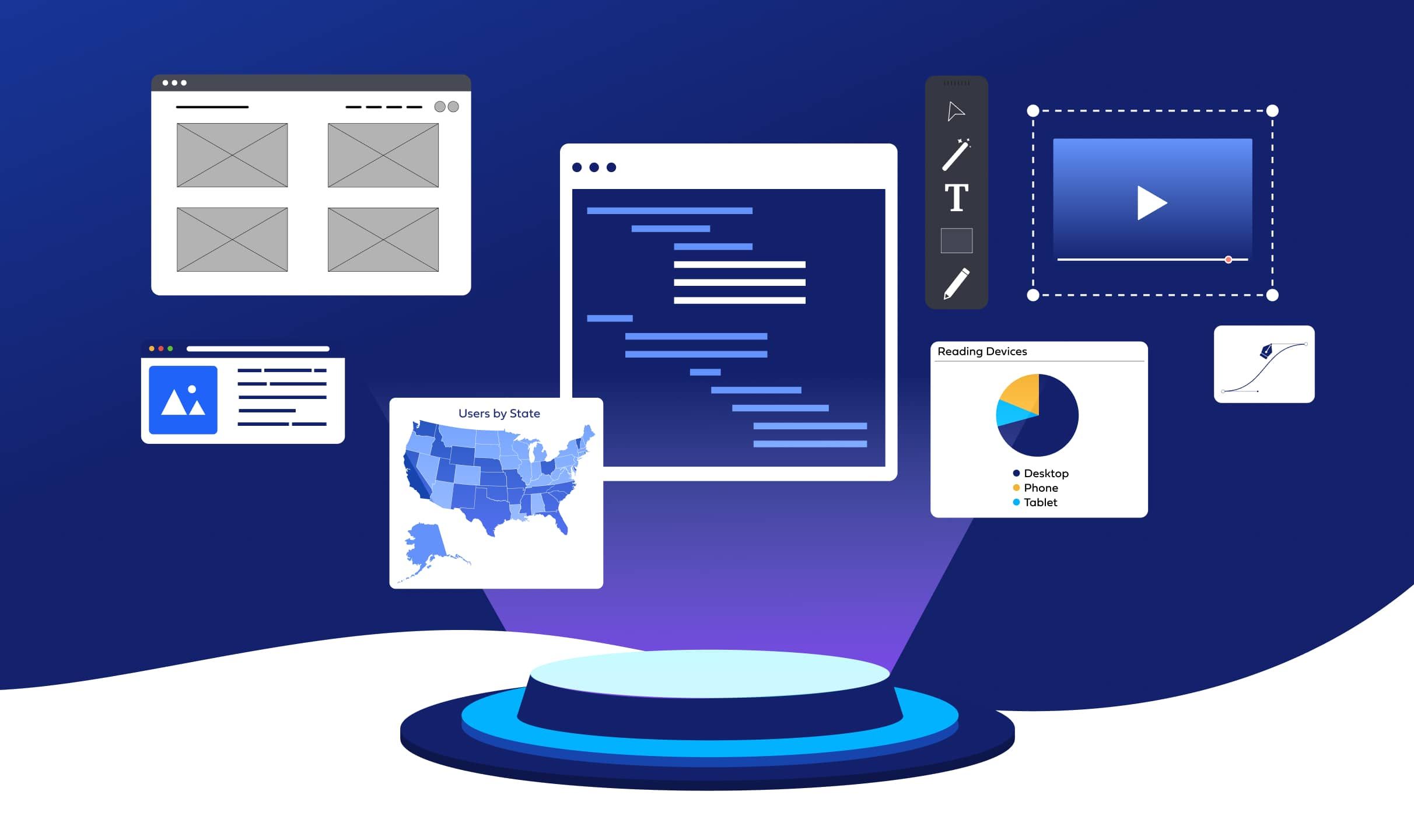
Redesigning a website requires strategic planning for success. Modern websites are increasingly complex, demanding solid content strategies that serve both user needs and search engine optimization. Fruition employs a collaborative approach extending beyond aesthetic design, often encountering clients with aging sites needing full content curation and information architecture overhauls.
How to Prepare for Your Website Redesign
Before wireframing or visual design begins, discovery exercises with teams align stakeholders on redesign purpose and goals.
1. Setting Goals
Website redesigns address various needs: incorporating new branding, improving content, imagery, and functionality. Projects initiate with stakeholder questionnaires gathering insights from customer service, sales, and marketing departments.
2. Measuring Success
Define success metrics early. Whether boosting organic traffic or generating leads, align design decisions with objectives. Post-launch, reassess metrics using tools like Google Analytics to track traffic patterns, bounce rates, and conversion rates.
3. Curating Content
The “Keep, Kill, Combine” exercise organizes and refines site content. Assess each page’s relevance to ensure only valuable, aligned content remains. Update outdated blog sections with fresh, trend-relevant content or merge related topics into complete guides.
4. Planning Navigation
Develop intuitive navigation allowing users to find information quickly. Create sitemaps visualizing hierarchical site structure. Breaking products and services into individual navigation items rather than nested categories often improves user discovery and conversions.
5. Branding Consistency
Ensure brand resonance throughout the website via tone, voice, and visual analysis. Develop digital style guides outlining brand colors, typography, and imagery guidelines for consistency across pages.
6. Competitor Analysis
Analyze competitors to identify best practices, pitfalls, and differentiation opportunities. Identify gaps in competitors’ offerings your redesigned site can address to attract users.
7. Importance of Accessibility
Accessibility is now a baseline requirement, not an optional extra. Partner with accessibility experts to meet WCAG 2.2 A/AA guidelines. Government agencies may require VPATs and accessibility statements or face fines.
8. CMS & Hosting
Determine your preferred content management system and hosting solution. Audit your current CMS, identifying strengths and weaknesses. Organizations often migrate from Drupal to WordPress due to lower maintenance costs and more intuitive administration panels.
Conclusion
Use this guide to prepare for upcoming redesigns. Completing these preparation steps clarifies project scope and identifies necessary support levels, enabling accurate scope, budget, and timeline estimates.
More from the blog

Want to discuss this topic?
Our team is available to talk about AI strategy, security, and the engineering behind it.