How AI Has Flipped the Buy vs Build Equation
Modern AI-powered development tools have collapsed custom-software costs by up to 80%, while SaaS subscription fees continue rising. Here's the new calculus.
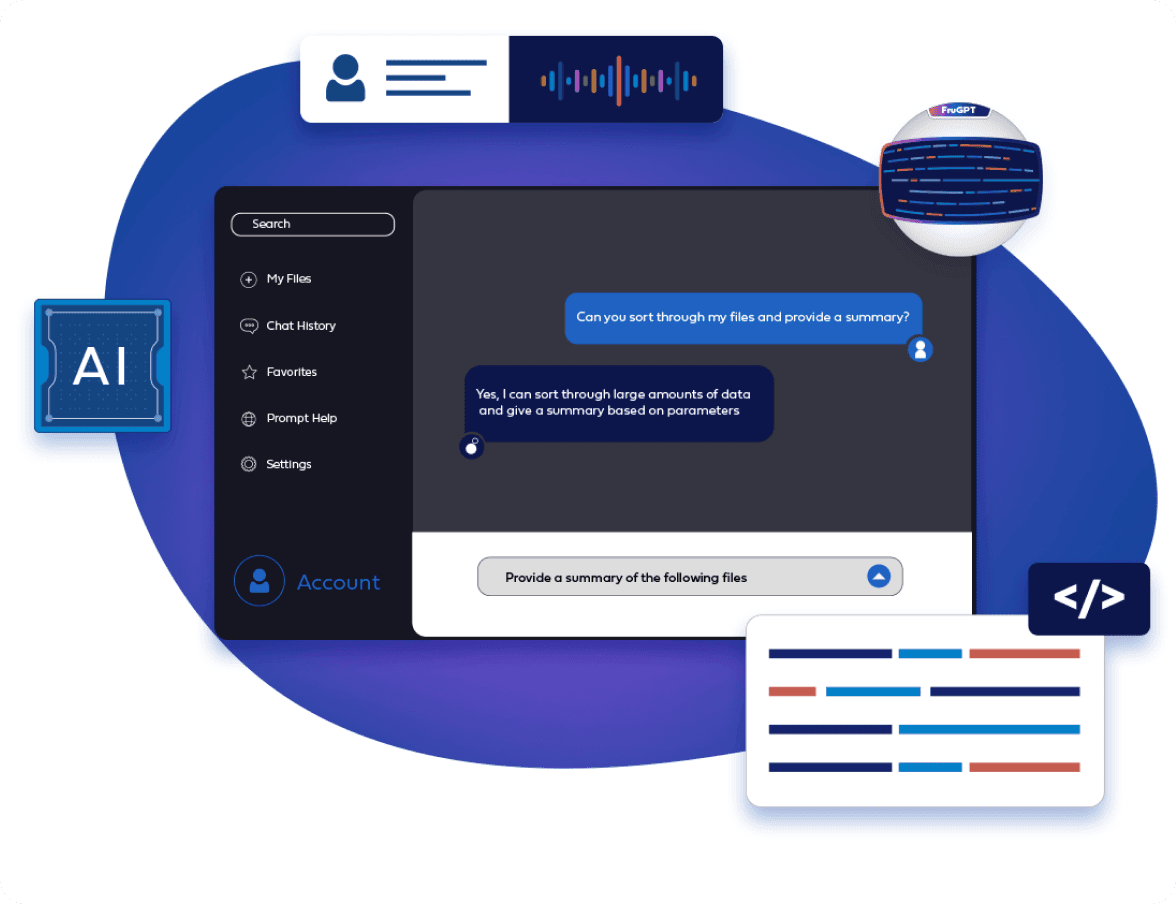
Modern AI-powered development tools have collapsed custom-software costs by up to 80%, while SaaS subscription fees continue rising sharply. For organizations spending $50K+ annually on licenses or managing intricate integrations, constructing bespoke solutions now presents a more economical, lower-risk alternative.
Why the Equation Changed
Three factors drove this shift. Generative code assistants (GitHub Copilot, Claude, GPT-4) now generate 40-60% of production code, shrinking project timelines from months to weeks. Automated quality tooling handles testing, bug detection, and documentation, reducing maintenance costs. And SaaS pricing inflation — particularly seat-based models — outpaces budget growth.
New Cost Analysis
The savings are dramatic. A CRM that previously cost $150-500K to build custom can now be built for $30-100K with AI tools, compared to $288-960K in 3-year SaaS costs. A CMS drops from $75-200K to $15-50K versus $72-360K in SaaS. Ecommerce platforms drop from $100-300K to $25-75K versus $60-180K in SaaS.
Decision Framework
Buy SaaS when you have fewer than 25 users, spend under $50K annually, and have standard workflows.
Build Custom when you have 50+ users, $50K+ spend, complex or unique workflows, and strict compliance mandates.
Hybrid Approach when you want to retain commodity modules while replacing specific bottlenecks.
Government & Enterprise Focus
Government agencies and large enterprises share two challenges: scaling license costs and navigating regulatory compliance. We rebuilt a major airport portal that achieved $1.05M in three-year savings versus Salesforce Government Cloud while meeting Section 508 accessibility standards immediately.
AI Tooling Landscape (2025)
Code generation tools like Copilot, Cursor, and GPT-4 deliver 40-60% faster delivery. Testing & QA tools like Diffblue and CodiumAI provide automated tests with fewer defects. Documentation tools like Mintlify and Swimm keep docs current for faster onboarding. And low-code scaffolds like Vercel v0 and Replit Agent generate UI in minutes.
Conclusion
The framing has shifted from “Can we build affordably?” to “Can we afford not to?” For organizations spending significantly on SaaS licenses or managing complex integrations, a custom AI-powered build may now be the smarter investment.
More from the blog
Want to discuss this topic?
Our team is available to talk about AI strategy, security, and the engineering behind it.